Vehicle Collection
Secure origin handoffs demand scheduled arrival slots, explicit vehicle identification through secondary VIN confirmation, and clear transfer of physical keys. We resolve release authorisations before loading wheels onto the ramp.
We coordinate technical condition verification, scheduled site collection, and insured cross-border transit. No dealership theatre—just verifiable condition protocols, accurate timeline forecasting, and clear documentation between dispatch and arrival.
Moving high-value assets across European jurisdictions isn't merely driving from point A to point B. It requires disciplined verification at origin, careful route planning through alpine or coastal weather corridors, and definitive sign-off upon arrival.
Secure origin handoffs demand scheduled arrival slots, explicit vehicle identification through secondary VIN confirmation, and clear transfer of physical keys. We resolve release authorisations before loading wheels onto the ramp.
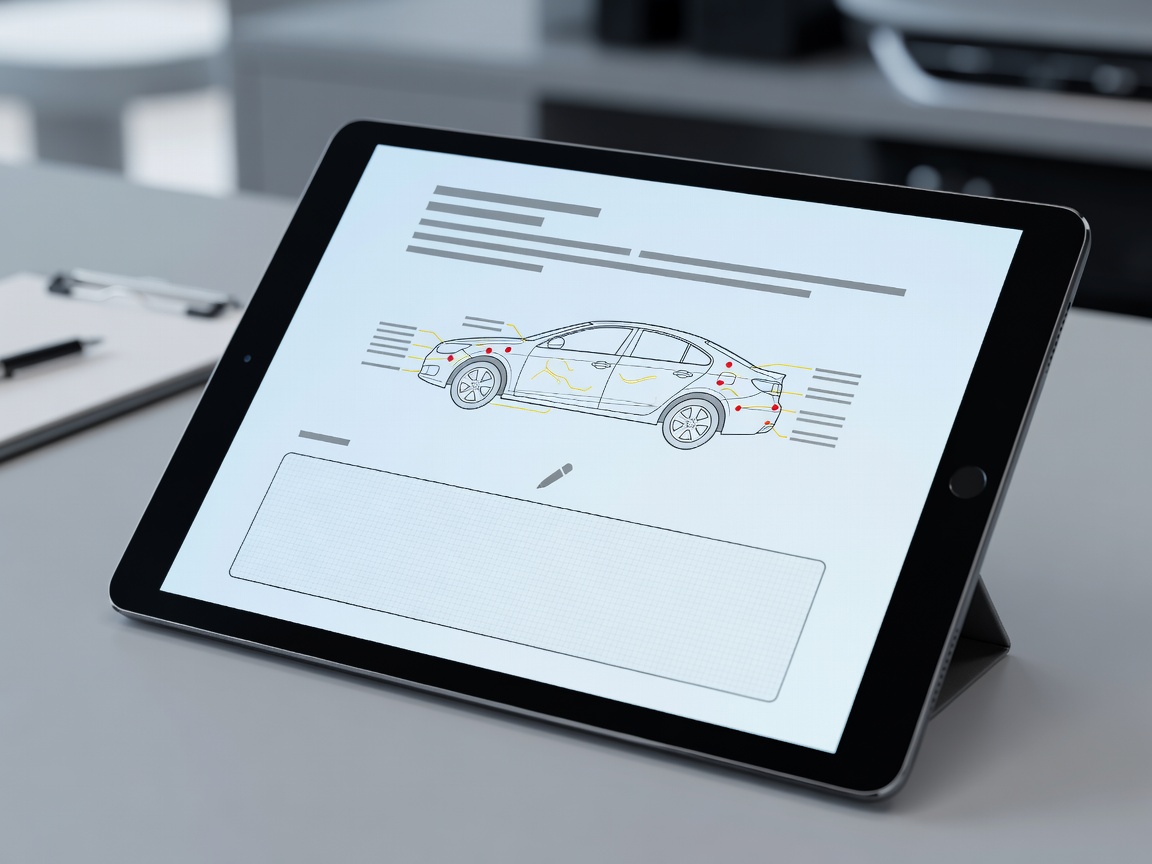
Every pre-existing micro-abrasion, rim curb contact, windscreen stone chip, and dashboard warning light is catalogued prior to vehicle departure. Both parties receive timestamped, cryptographically hashed inspection documentation.
Domestic movements differ fundamentally from international relocations. We plan routing around driving hour restrictions, toll tags (such as Vignettes and Telepass), low-emission environmental zones, and international border documentation.
Legal dispute prevention rests on accurate handover documentation. We bind collection notes, destination proof of delivery, battery status reports, and key count logs into an indisputable digital asset docket.
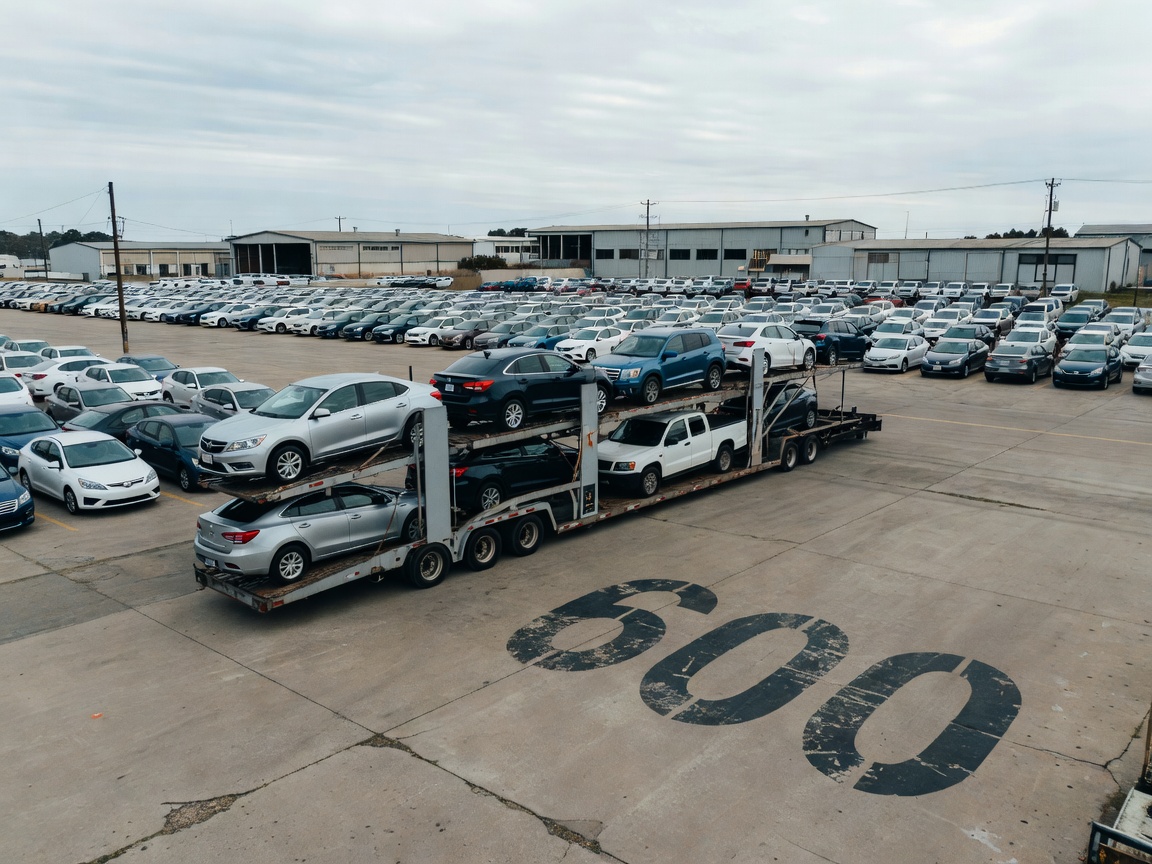
Managing rollouts of company vehicles, dealer transfers, or remarketing returns requires staggered drop windows and centralised communications. We prevent compound delays by handling exception management in real time.
Select any phase along the transit chain to inspect our control points, responsibilities, and procedural requirements.
The assignment begins by verifying pickup site physical access (tail-lift room, low clearance bridges, restricted industrial estates) and confirming vehicle readiness including release PINs, registration certificates, and battery states.
Try our digital condition audit protocol below. Check off items as completed; progress is cached locally in your browser so field personnel retain state during intermittent connectivity.
Configure vehicle volume, border scope, and timing flexibility to generate operational parameters for your transport run.
Ideal for bespoke relocations or urgent vehicle acquisitions. Involves international consignment notes (CMR), toll telemetry, and real-time destination notifications.
Practical answers to how we handle unforeseen keys, border checks, damaged handovers, and delay notifications.
Our inspector does not simply ignore defects. We halt handover progression, photograph the discrepancy in high resolution, log the mileage and indicator warnings, and contact dispatch immediately. Loading occurs only after formal client sign-off on the revised condition sheet, safeguarding you against inherited liability.
We require origin sites to present battery electric vehicles with at least 50% State of Charge (SoC). This avoids 12V battery drain and deep HV discharge during transit. Charging cables (Type 2 and household adapters) are checked, counted, and recorded as individual accessories on the digital manifest.
Within the EU/Schengen area, movements rely on the international CMR waybill, vehicle registration document copies (Part I / II), and collection authorization. For movements touching non-EU territories (such as the UK, Switzerland, or Norway), transit declarations (T1), commercial invoices, or ATA carnets are verified before wheels move.
Digital handover certificates and photographic logs are finalized right at the recipient's driveway or depot apron. Once both parties counter-sign the tablet interface, encrypted PDF copies are compiled and dispatched to designated fleet managers within minutes.
Yes. Our fleet coordination desk sequences individual collections into shared multi-car carriers or regional consolidation hubs. This optimizes cost per unit while maintaining separate, uncompromised condition sheets for each vehicle identification number.