Scaling beyond single vehicle relocations
Moving a single car requires precision; orchestrating the simultaneous turnover of fifty company vehicles across three European subsidiaries requires an entirely different operational architecture. Corporate fleet transitions, dealer network balancing, and remarketing compound clearances are complex operations where one single delay at an origin compound can create a cascading failure through downstream transport schedules.
Teams can reduce uncertainty by structuring multi-vehicle campaigns around consolidation hubs, strict gate release sequencing, and proactive exception handling. We don't view fleet logistics as simply booking more trucks—it is about orchestrating data, compounds, and vehicle readiness.
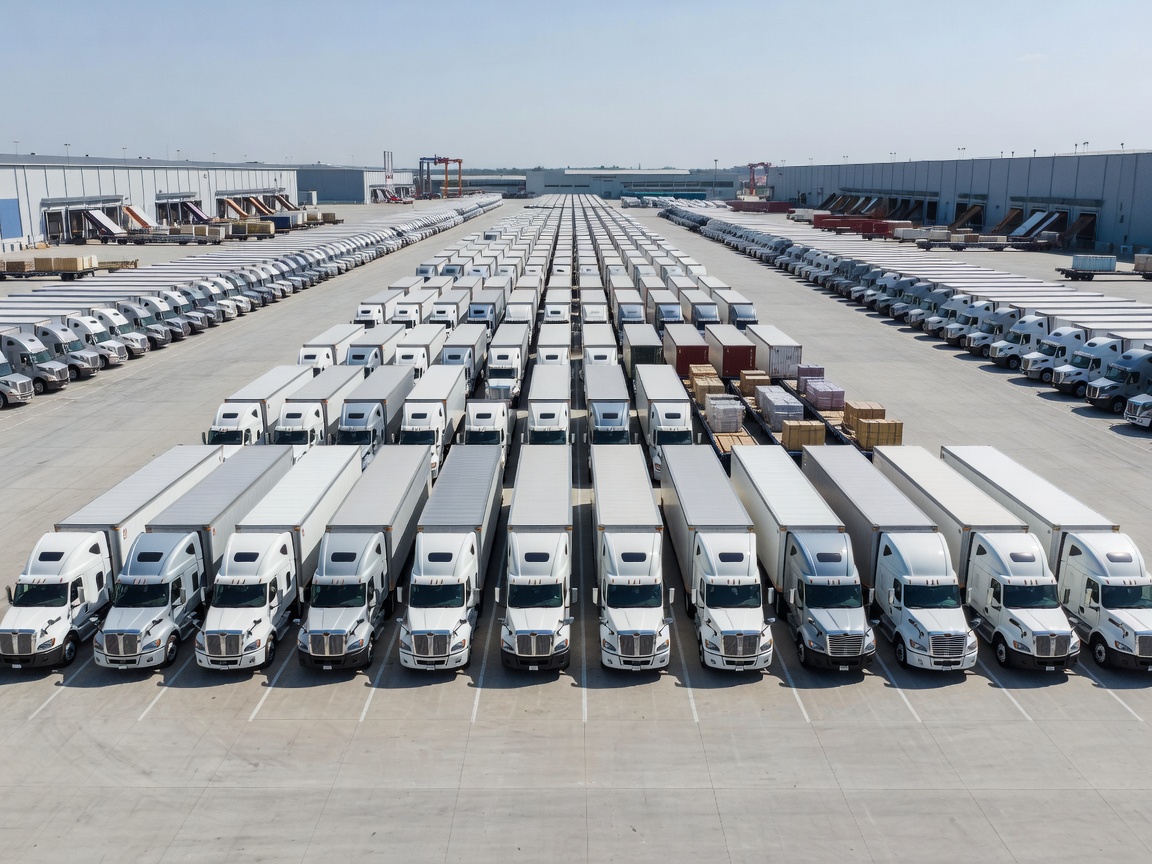
Batch scheduling and compound sequencing
When a leasing firm or automotive OEM needs to clear 120 off-lease vehicles from a compound near Antwerp or Frankfurt, sending eight car transporters at 08:00 without slot reservations causes total gridlock. The terminal gate cannot process release documents quickly enough, carrier drivers run out of legal driving hours waiting in queues, and compound managers levy demurrage charges.
A disciplined fleet movement campaign implements:
- Staggered Loading Windows: Transporters are assigned discrete 90-minute loading gates. Compounds pull vehicles into pre-staged loading lanes 3 hours ahead of carrier arrival.
- Digital Pre-Clearance: Finance releases, customs clearances, and key packs are verified electronically the preceding evening, meaning gate guards simply scan driver QR codes for gate access.
- Geographic Sequencing: Drops are mathematically sequenced so vehicles destined for the furthest European terminals are loaded in top/front positions, while intermediate deliveries roll off effortlessly without complex roadside reloading.
Real-time exception handling
In any multi-unit movement, things will occasionally go wrong: an engine refuses to start due to parasitic drain, a key cannot be found in the compound safe, or a cracked windscreen is discovered on unit #14.
A brittle logistics provider freezes the entire transporter until someone finds the missing paperwork. An operational handover desk practices isolated exception management:
- Isolate and Substitute: The problematic unit is flagged on the live dashboard and pushed to a secondary staging bay. If an equivalent unit is scheduled on the same route, it is promoted to fill the slot.
- Instant Client Escalation: The fleet coordinator receives a clear notice with photographic evidence of the issue within 15 minutes of occurrence.
- Transport Protection: The carrier departs on schedule with the remaining completed vehicles, ensuring that 95% of the fleet delivery arrives on time rather than 100% arriving late.
Ad-Hoc Brokered Haulage vs. Coordinated Fleet Management
Ad-Hoc Spot Freight
- Multiple uncoordinated subcontractors with fragmented tracking
- No centralized condition database across batch vehicles
- Single car issues stall entire multi-car transporters
- Separate invoice and documentation streams for every drop
Coordinated Fleet Campaign
- Single point of contact with uniform carrier standards
- Aggregated status dashboard for batch progress tracking
- Systematic exception management protecting carrier schedules
- Consolidated audit dossiers and unified billing reconciliations
Dealership network stock balancing
Automotive retail groups frequently need to balance inventory across metropolitan dealerships. When one branch has excess SUV inventory while another faces customer backorders for the same trim, inter-dealer transfers must happen quickly and cleanly.
Our dealer coordination routines preserve the showroom-fresh condition of new and certified pre-owned vehicles. From protective seat wraps and steering wheel covers to careful ramp approach angles that prevent bumper chin scrapes, we treat dealer inventory with the precision high-value stock deserves.
Operational efficiency and environmental responsibility
Empty running (transporters driving without payload) is the single biggest waste in vehicle logistics. By consolidating return flows—such as returning end-of-contract lease cars back to central remarketing yards while distributing new stock outward—we cut unnecessary empty kilometers, reduce transport carbon emissions, and provide predictable logistics costs to fleet directors.