Paper slips belong in the previous century
For decades, vehicle handovers relied on three-ply carbon paper clipped to a clipboard. A driver would scrawl an unreadable signature in the rain, hand over a damp copy, and drive away. Six weeks later, when the recipient discovered the second key was missing or that the rear bumper had been scratched, that damp paper slip was completely unreadable.
Modern fleet operations require digital records that establish an indisputable chain of custody. When a vehicle moves from an origin dealer or auction yard to an end-user or regional depot, every document must be cryptographically timestamped, geo-located, and synchronized to cloud storage before the transporter departs the driveway.
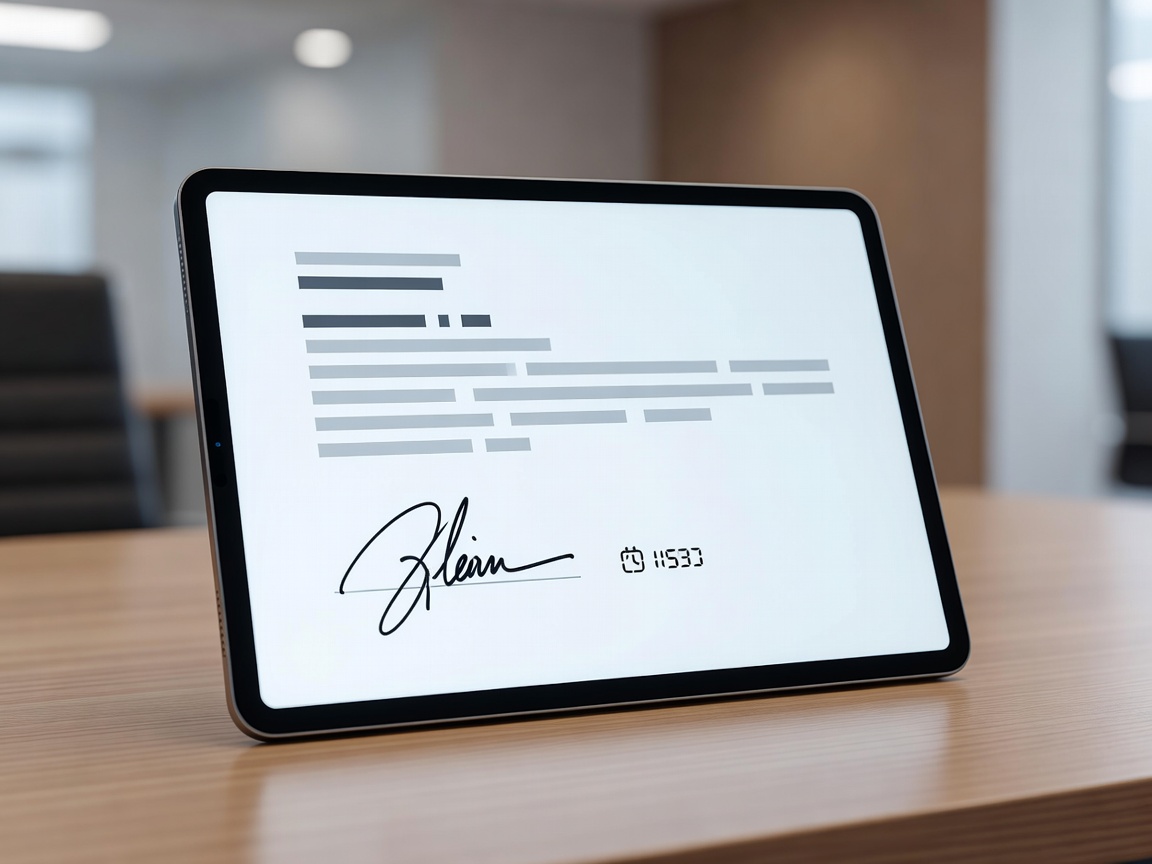
Essential anatomy of a robust handover file
A useful handover record typically includes far more than a simple receipt signature. It constitutes a comprehensive snapshot of the vehicle's physical, legal, and operational status at the moment custody transfers.
Our documentation framework includes:
- Unique Identity Dossier: Vehicle Identification Number (VIN) verified against official registration certificates, engine code designation, and international plate numbers.
- Mileage and Range Cryptograph: An unedited macro photograph of the instrument cluster showing total odometer kilometers and remaining fuel or battery SoC percentage.
- Physical Accessory Log: Explicit itemization of physical items: number of key fobs, mechanical spare blades, wheel lock nuts, warning triangles, first-aid kits, navigation SD cards, and EV charging cables.
- Itemized Defect Register: Every pre-existing flaw recorded with standardized dimensions, severity grading, and high-definition photographs.
- Dual Digital Signatures: Both the delivering technician and the receiving party execute digital signatures with captured GPS coordinates and synchronized UTC timestamps.
Electronic Proof of Delivery (e-PoD) & CMR integration
In international movements, documentation must satisfy the requirements of the Geneva Convention on the Contract for the International Carriage of Goods by Road. The electronic consignment note (e-CMR) eliminates paperwork lag, ensuring that customs officials, dispatch coordinators, and corporate finance desks receive immediate delivery status without waiting for physical paper waybills to return via post.
Document Retention & Legal Safeguards
Under European commercial statutes, transport and asset handover records must generally be retained for statutory limitation periods (typically 5 to 7 years depending on jurisdiction). Digital files are stored in immutable formats with verified SHA-256 hash checks to guarantee they cannot be retroactively altered in the event of an insurance dispute or leasing penalty arbitration.
Checklist: What must be signed off at recipient delivery
When a vehicle is unloaded at destination, the recipient must never sign blindly. The handover protocol specifies five steps before executing the sign-off:
- Comparative Inspection: The recipient reviews the vehicle alongside the origin inspection report displayed on the driver's tablet. Any discrepancy is added as a "destination exception."
- Inventory Count: Keys, registration papers, and accessories are physically handed over and checked off individually.
- Odometer Reconciliation: Ensure transit mileage aligns precisely with loaded carrier transit (or reasonable road relocation distance if driven on trade plates).
- Exception Endorsement: If new damage occurred in transit, it is clearly flagged as a carrier liability before the signature is collected.
- Instant Dispatch: The final executed PDF is immediately dispatched via automated email to all registered stakeholders.
The business advantages of audit-grade documentation
Corporate fleet managers and leasing companies that implement structured digital handovers routinely see end-of-contract dispute charges drop significantly. When every party knows that every wheel rim, bumper corner, and key fob is permanently catalogued at both ends of the journey, casual disputes simply disappear.